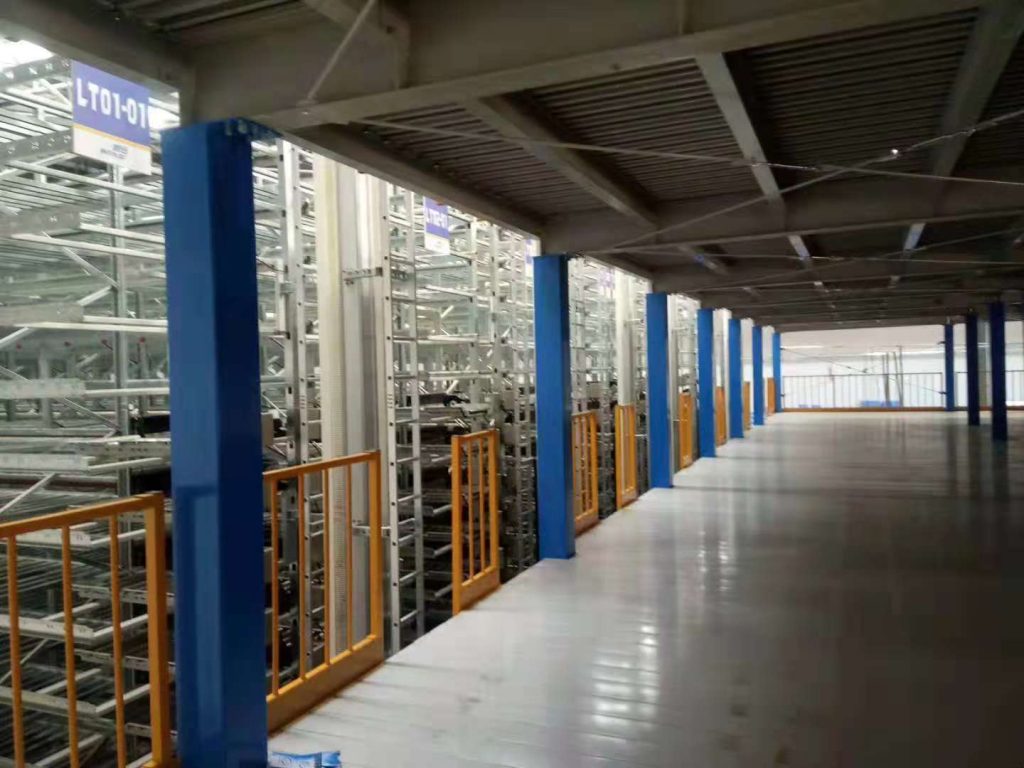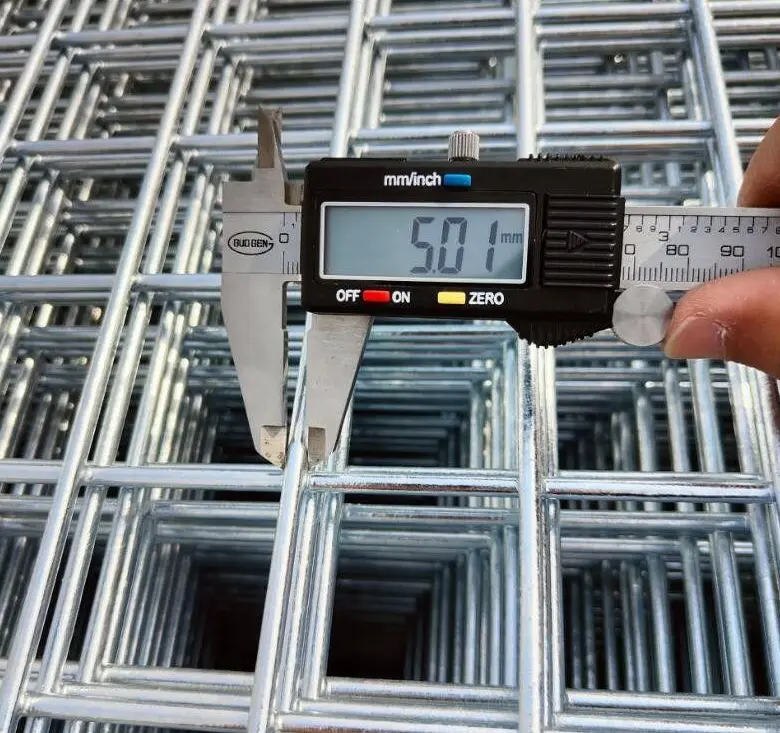
Omni-Racking

Loading

How to Design a Pallet Racking System That Perfectly Fits Your Warehouse?

When planning a new warehouse storage system, one of the most important decisions is choosing the right pallet racking layout. A well-designed selective pallet racking system can significantly increase storage capacity, improve forklift efficiency, and reduce operational costs.

Many warehouse owners focus only on the price of pallet racking. However, the real value lies in designing a warehouse racking solution that maximizes available space while ensuring safety and operational efficiency.

In this article, we’ll walk through a real warehouse pallet racking design example and explain how professional racking manufacturers create a complete warehouse racking layout based on customer requirements.

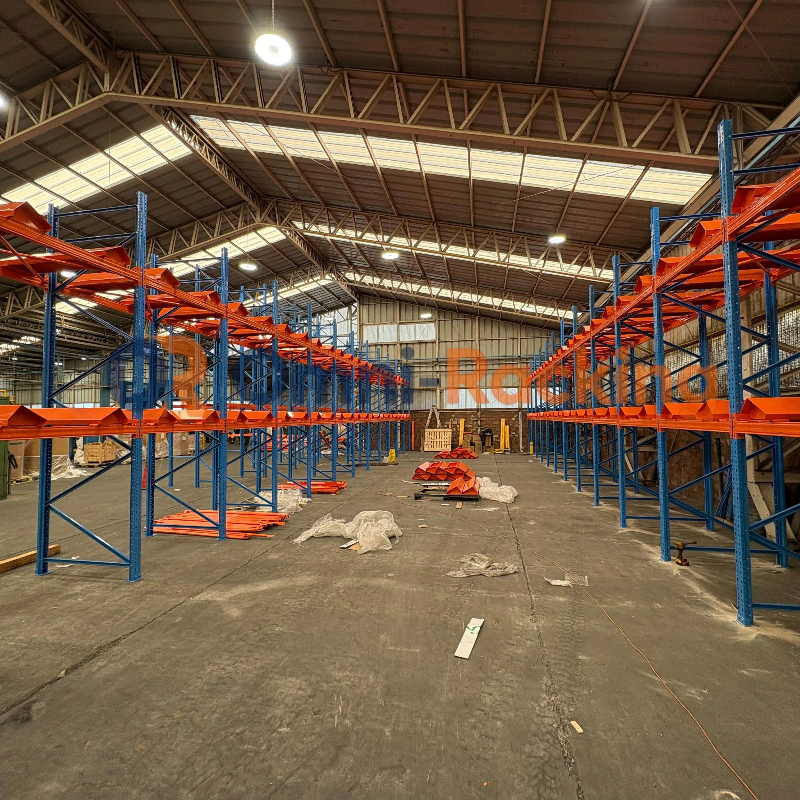
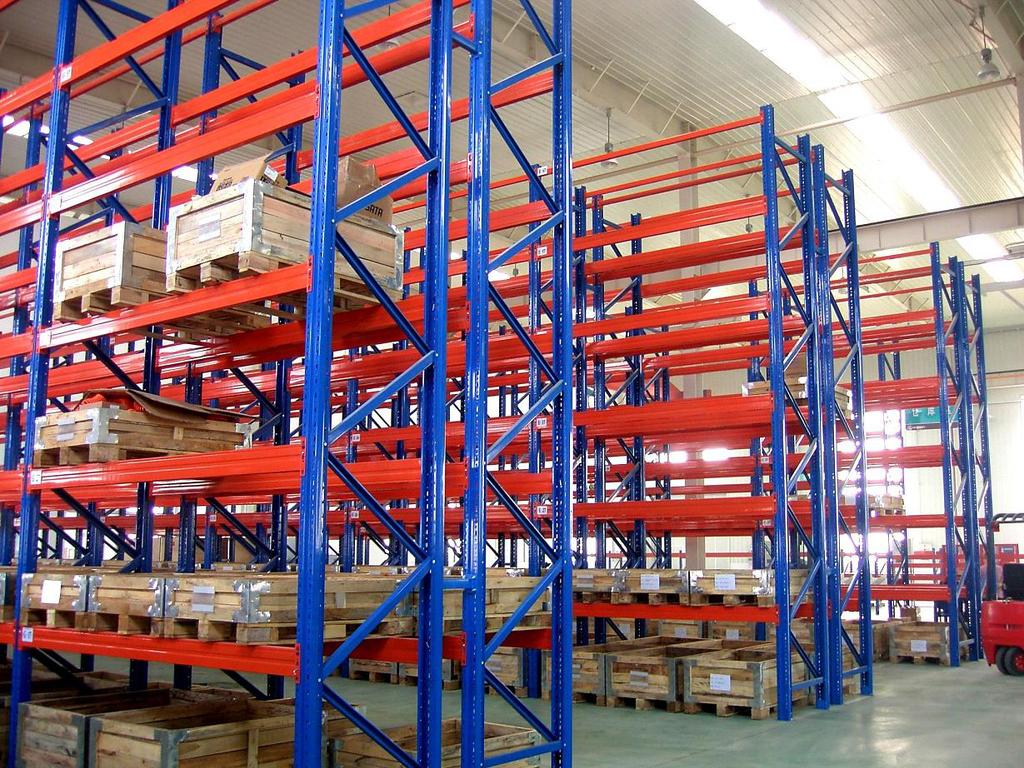
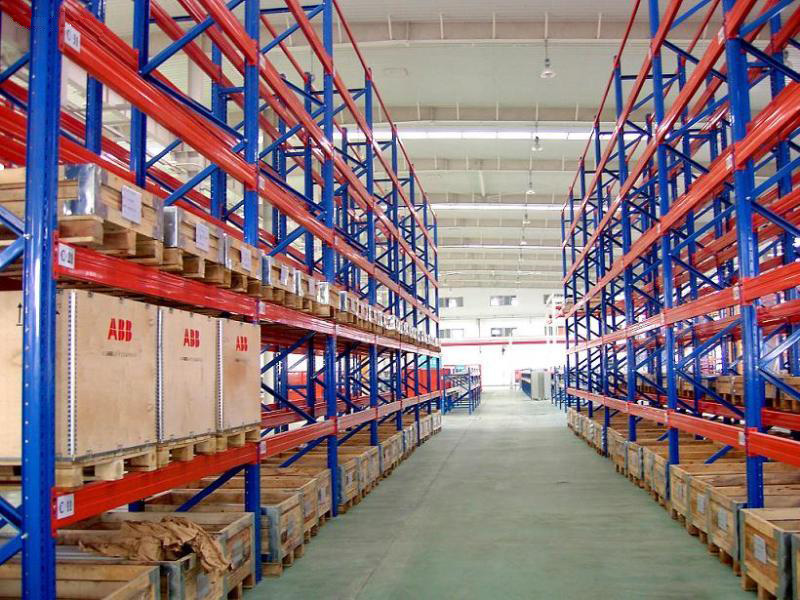
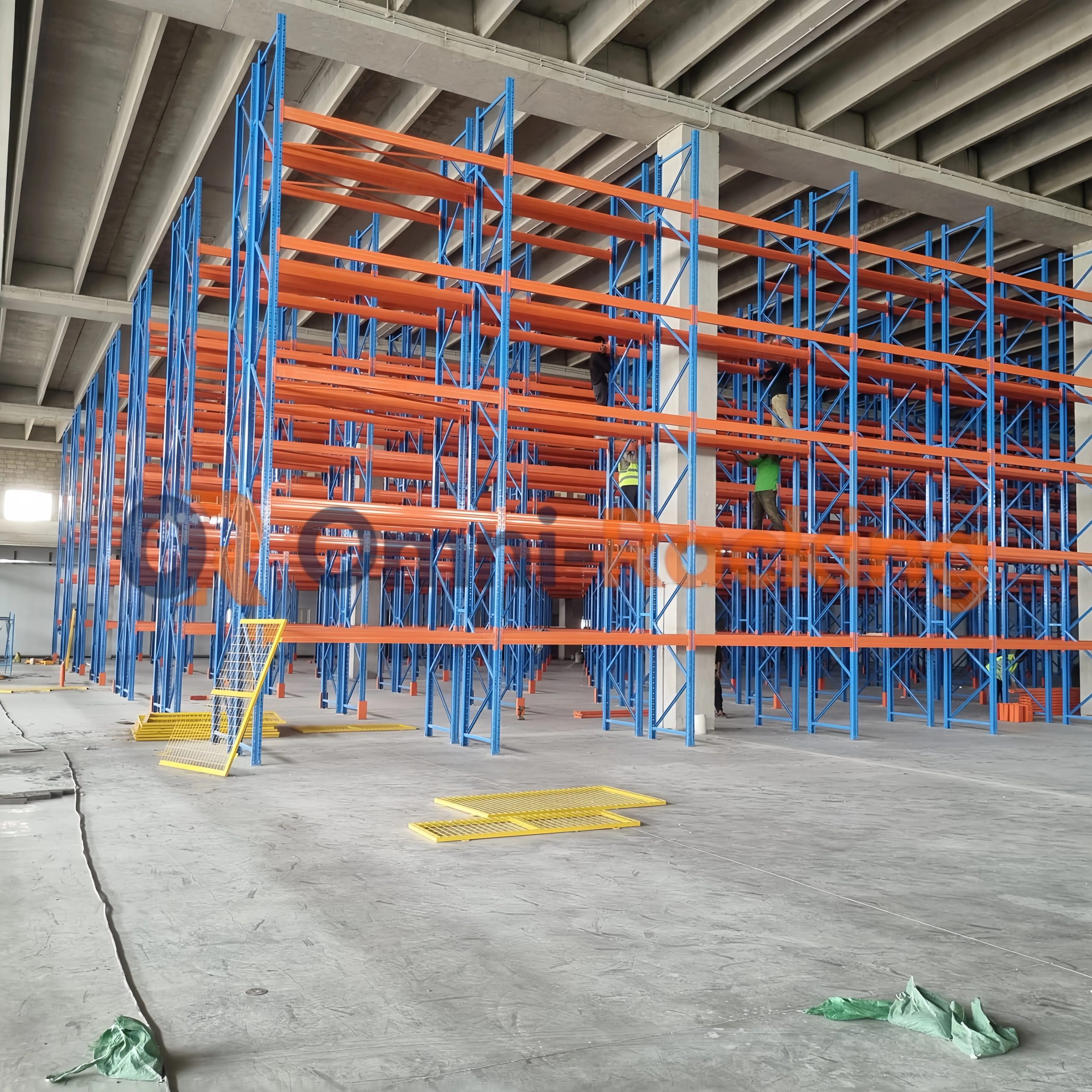
warehouse pallet racking system

Warehouse Information and Storage Requirements

The customer provided the following warehouse specifications:

Warehouse Dimensions

  • Warehouse Length: 48 meters
  • Warehouse Width: 18 meters
  • Clear Height: 11.5 meters

Pallet Specifications

  • Pallet Size: 1200mm × 1200mm
  • Pallet Load Capacity: 1000kg
  • Loaded Pallet Height: 1500mm

Material Handling Equipment

  • Counterbalance Forklift

Based on these parameters, we can begin designing an efficient selective pallet racking system.


Step 1: Calculate the Beam Length

The first step in pallet racking design is determining the appropriate beam length.

In this project, each beam level is designed to store two pallets.

To allow safe forklift operation, industry standards recommend leaving clearance between pallets and rack uprights.

Recommended Clearance

  • 100mm between pallets
  • 100mm between pallet and upright frame on each side

Calculation:

1200mm + 1200mm + 100mm + 100mm + 100mm

= 2700mm

Therefore, the minimum beam length should be:

2700mm Beam Length

This size is one of the most commonly used beam lengths for selective pallet racking systems.

Related Keywords

  • Pallet racking beam size
  • Selective pallet racking design
  • Warehouse racking dimensions
  • 2700mm pallet rack beam
  • Heavy duty pallet racking

Step 2: Determine Rack Depth

The next step is calculating the rack depth.

Since the pallet depth is 1200mm, the pallet should overhang the beams slightly on both the front and rear sides.

Industry standards typically recommend:

  • 50mm–100mm pallet overhang on each side

Therefore, the recommended frame depth is:

1000mm Rack Depth

This configuration provides:

  • Safe pallet placement
  • Better load stability
  • Reduced risk of pallet collapse
  • Improved forklift handling

Related Keywords

  • Pallet rack depth
  • Warehouse storage rack dimensions
  • Heavy duty racking system
  • Selective rack depth calculation

Step 3: Determine Rack Height

The warehouse clear height is:

11.5 meters

To comply with fire protection systems, lighting requirements, and safety regulations, it is recommended to keep the highest load level below 11 meters.

Therefore:

Recommended Upright Height

10.5 meters (10500mm)

This height fully utilizes the available warehouse space while maintaining safe operating clearances.

Related Keywords

  • High bay pallet racking
  • Warehouse rack height calculation
  • Industrial pallet rack system
  • High density warehouse storage

Step 4: Calculate Vertical Storage Levels

The loaded pallet height is:

1500mm

To allow safe forklift operation, a minimum clearance of 200mm should be maintained between the top of the load and the bottom of the beam above.

Calculation:

1500mm + 200mm

= 1700mm

Therefore:

Minimum Clear Height Per Level

1700mm

This spacing ensures smooth loading and unloading operations.


Step 5: Determine the Number of Storage Levels

With a rack height of 10.5 meters, we can design:

  • Ground storage level
  • Five beam levels above

Total:

6 Pallet Storage Levels

This configuration is widely used in high-bay warehouses and distribution centers.

Related Keywords

  • High bay pallet rack system
  • 6-level pallet racking
  • Warehouse storage optimization
  • Industrial storage solution

Step 6: Calculate Forklift Aisle Width

The customer uses a counterbalance forklift.

For safe maneuvering, the aisle width should be at least:

Minimum Forklift Aisle Width

3000mm

This allows efficient pallet handling while maximizing storage density.

Related Keywords

  • Forklift aisle width
  • Warehouse aisle design
  • Selective pallet rack layout
  • Forklift warehouse planning

Step 7: Create the Warehouse Racking Layout

Based on the warehouse dimensions:

48m × 18m

The recommended layout includes:

  • Double-deep back-to-back rack rows
  • Single rack rows along walls
  • 3000mm forklift aisles

After optimizing the warehouse floor plan, the preliminary design includes:

Rack Configuration

  • Approximately 98 rack bays
  • 5 beam levels
  • 6 pallet levels including floor storage

Each bay stores:

  • 2 pallets per level

Total pallet positions:

98 × 6 × 2

= 1176 pallet locations


Final Warehouse Pallet Racking Design Summary

Warehouse Size

  • Length: 48m
  • Width: 18m
  • Height: 11.5m

Rack Specifications

  • Beam Length: 2700mm
  • Rack Depth: 1000mm
  • Upright Height: 10500mm
  • Beam Levels: 5
  • Storage Levels: 6

Storage Capacity

  • 98 Rack Bays
  • 1176 Pallet Positions

Load Capacity

  • 1000kg per pallet

Total Warehouse Storage Capacity

Over 1,176 tons of stored goods


How to Select the Right Materials for a Pallet Racking System

One of the most common questions from warehouse managers is:

“What rack specifications should I choose for 1000kg pallets?”

The answer depends on load calculations, beam span, rack height, and safety factors.

For this project:

Load Per Beam Level

2 pallets × 1000kg

= 2000kg per level

Recommended rack components:

Upright Frames

  • 90×70×2.0mm
  • 100×70×2.0mm

Box Beams

  • 100×50×1.5mm
  • 120×50×1.5mm

Final specifications should always be verified through structural load calculations performed by an experienced pallet racking manufacturer.

Related Keywords

  • Pallet rack load calculation
  • Heavy duty pallet rack manufacturer
  • Warehouse racking supplier
  • Industrial storage rack design
  • Structural pallet rack engineering

Why Professional Warehouse Racking Design Matters

Many businesses purchase warehouse racking based solely on price.

However, poor warehouse planning often results in:

  • Wasted warehouse space
  • Lower storage capacity
  • Inefficient forklift operation
  • Future expansion difficulties
  • Increased safety risks

A professional warehouse racking design should include:

  • Warehouse measurement analysis
  • Pallet size evaluation
  • Load capacity calculations
  • Forklift turning radius assessment
  • Structural engineering review
  • Warehouse layout drawing
  • 3D racking design and visualization

Only a professionally designed pallet racking system can maximize warehouse efficiency and long-term return on investment.


Conclusion

For a warehouse measuring 48m × 18m with a clear height of 11.5m, a selective pallet racking system offers an ideal balance between storage density, accessibility, and cost efficiency.

Using:

  • 2700mm beams
  • 1000mm rack depth
  • 10500mm upright frames
  • 5 beam levels
  • 6 pallet storage levels

The warehouse can accommodate approximately:

1,176 Pallet Positions

This design significantly improves storage utilization while maintaining safe and efficient forklift operations.

If you are planning a new warehouse or expanding your storage capacity, our engineering team can provide customized warehouse racking layouts, pallet rack calculations, 3D warehouse designs, and detailed quotations tailored to your requirements.

Primary Keywords

  • Selective Pallet Racking
  • Pallet Racking System
  • Warehouse Racking
  • Heavy Duty Pallet Rack
  • Industrial Storage Racking

Long-Tail Keywords

  • How to design a pallet racking system
  • Warehouse pallet racking layout design
  • Pallet racking calculation guide
  • Warehouse storage optimization
  • Selective pallet rack manufacturer
  • Heavy duty warehouse racking supplier
  • High bay pallet racking system
  • Warehouse racking design service
  • Industrial pallet rack solution
  • Custom warehouse racking layout
  • Pallet rack engineering calculation
  • Warehouse storage system manufacturer
  • Adjustable pallet racking system
  • Warehouse rack design company
  • Warehouse shelving and racking solutions

    • 6 月, 周三, 2026

    Heavy-Duty Steel Mezzanine Floor for Cold Storage Warehouses: Maximize Space and Storage Efficiency

    What Is a Cold Storage Mezzanine Floor?

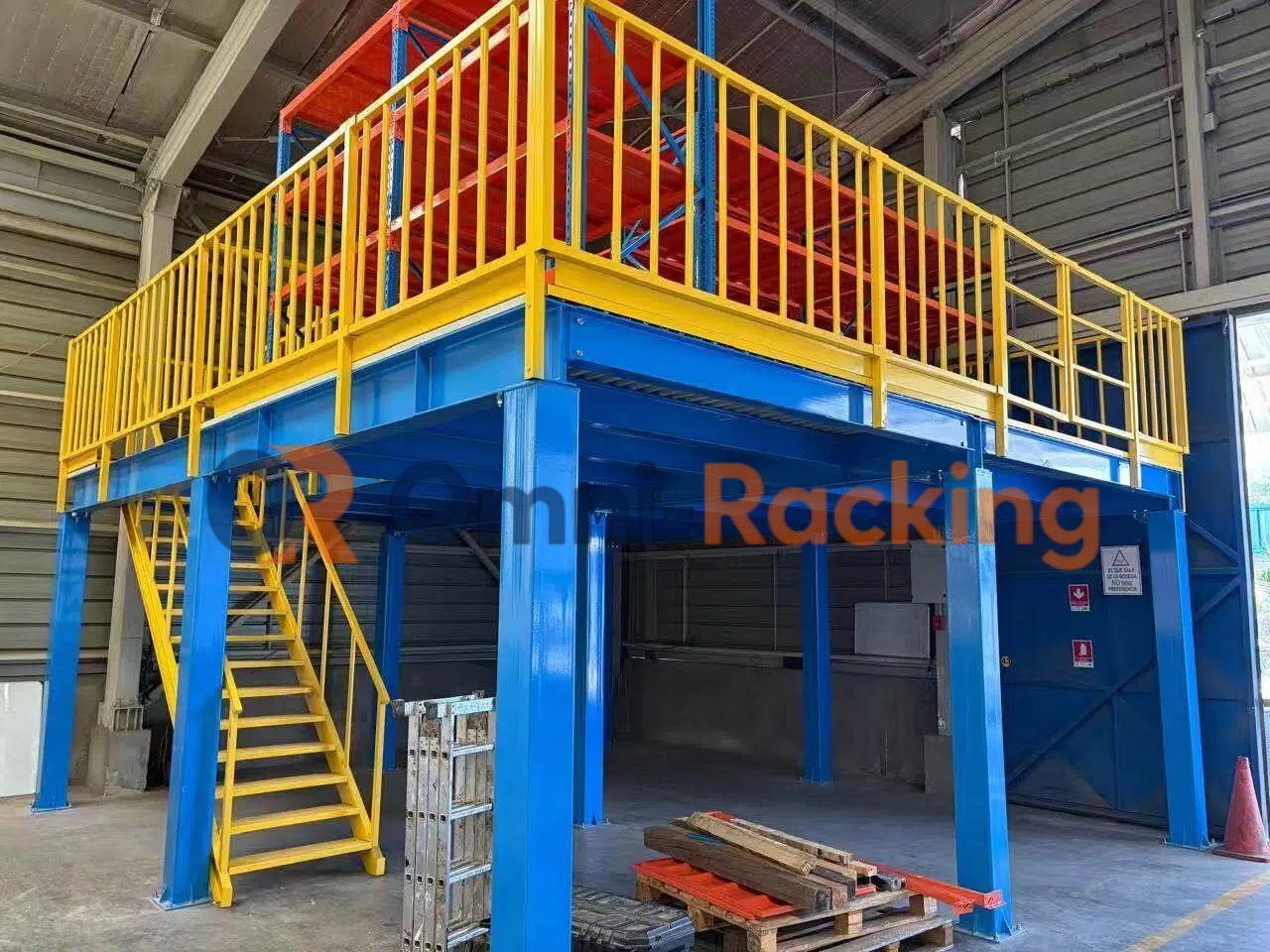
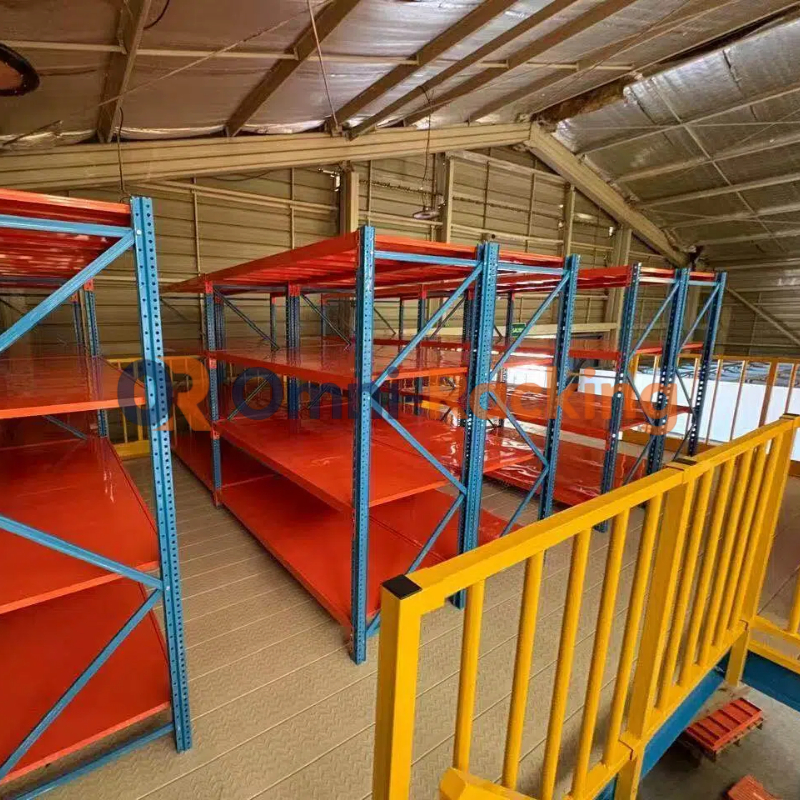
    A cold storage mezzanine floor is a raised steel platform installed inside refrigerated warehouses, cold rooms, and frozen food storage facilities. It creates additional storage or working space without expanding the building footprint, making it one of the most cost-effective solutions for increasing warehouse capacity.

    Modern steel mezzanine floors are widely used in:

    • Cold storage warehouses
    • Frozen food distribution centers
    • Food processing plants
    • Pharmaceutical cold rooms
    • Logistics and distribution centers
    • Industrial refrigeration facilities

    Compared with concrete structures, steel mezzanine platforms offer faster installation, greater flexibility, and lower construction costs.


    Why Install a Steel Mezzanine Floor in a Cold Warehouse?

    Cold storage facilities are expensive to build and operate. Every cubic meter of refrigerated space matters.

    A heavy-duty steel mezzanine floor helps warehouse operators:

    ✓ Increase storage capacity

    ✓ Optimize vertical space utilization

    ✓ Reduce facility expansion costs

    ✓ Improve warehouse workflow

    ✓ Support pallet racking systems

    ✓ Create additional picking and packing areas

    ✓ Maximize return on cold storage investment

    For warehouses with limited floor space, a custom mezzanine floor system can effectively double the usable storage area.


    Heavy Load Capacity Designed for Industrial Applications

    Unlike standard warehouse platforms, our cold storage mezzanine floors are engineered for high-load industrial environments.

    Technical Specifications

    SpecificationDetails
    Structure TypeStructural Steel Mezzanine Floor
    ApplicationCold Storage & Frozen Warehouses
    MaterialQ235B / Q355B Structural Steel
    Surface TreatmentPowder Coating / Hot-Dip Galvanized
    Floor DeckingSteel Grating, Checkered Plate, Composite Deck
    Temperature RangeSuitable for Refrigerated & Frozen Environments
    Static Load Capacity1.5–2 Tons/m² (1500–2000 kg/m²)
    Design StandardCustomized According to Project Requirements
    InstallationModular Bolt-Connected Structure

    One of the key advantages is the exceptional load-bearing performance. The platform can support a static load capacity of 1.5–2 tons per square meter (1500–2000 kg/m²), making it ideal for pallet storage, industrial equipment, and high-density warehouse operations.


    Key Features of Our Cold Storage Steel Mezzanine Platform

    Heavy-Duty Structural Design

    The steel mezzanine system is designed using high-strength structural steel to ensure long-term stability and safety under heavy loads.

    Corrosion Resistance

    Cold and humid environments can accelerate corrosion. Our steel platforms can be supplied with powder-coated or galvanized finishes for enhanced durability.

    Customized Dimensions

    Every cold warehouse has different operational requirements. We provide customized solutions including:

    • Platform height
    • Column spacing
    • Floor loading capacity
    • Staircases
    • Safety railings
    • Pallet gates
    • Conveyor integration

    Fast Installation

    Prefabricated steel components significantly reduce installation time compared with traditional concrete structures.

    Flexible Expansion

    The modular design allows future expansion or relocation as warehouse requirements change.


    Applications of Heavy-Duty Mezzanine Floors in Cold Storage Facilities

    Frozen Food Warehouses

    Store frozen meat, seafood, vegetables, and packaged food products while maximizing vertical storage space.

    Pharmaceutical Cold Rooms

    Create additional storage levels for temperature-sensitive medicines and medical products.

    Distribution Centers

    Improve order fulfillment efficiency by separating storage, picking, and packing operations.

    Refrigerated Logistics Hubs

    Increase pallet positions and optimize warehouse throughput without additional building construction.


    Benefits Compared with Traditional Concrete Platforms

    FeatureSteel Mezzanine FloorConcrete Platform
    Installation SpeedFastSlow
    Construction CostLowerHigher
    Expansion FlexibilityExcellentLimited
    Relocation CapabilityPossibleNot Possible
    WeightLighterHeavier
    MaintenanceEasyMore Complex
    Project DowntimeMinimalLonger

    For most cold storage projects, steel mezzanine floors offer superior flexibility and a faster return on investment.


    Safety and Compliance

    Safety is critical in cold storage operations.

    Our mezzanine floor systems can be equipped with:

    • Safety handrails
    • Anti-slip flooring
    • Loading gates
    • Toe boards
    • Emergency exits
    • Forklift access areas

    Each structure is engineered according to project-specific load requirements and operational conditions.


    Why Choose a Custom Cold Storage Mezzanine Floor?

    Every warehouse has unique storage requirements. A customized steel mezzanine structure allows businesses to:

    • Increase storage density
    • Improve warehouse efficiency
    • Reduce expansion costs
    • Support heavy pallet loads
    • Maximize refrigerated storage space

    Whether you operate a frozen food warehouse, cold chain logistics center, or pharmaceutical storage facility, a heavy-duty steel mezzanine floor provides a practical and long-lasting solution.

    With a load capacity of up to 2 tons per square meter, our cold storage mezzanine systems deliver outstanding strength, durability, and space optimization for demanding industrial applications.


    Keywords

    Cold Storage Mezzanine Floor, Cold Room Mezzanine Floor, Steel Mezzanine Floor, Heavy Duty Mezzanine Floor, Industrial Mezzanine Platform, Cold Storage Steel Platform, Warehouse Mezzanine System, Heavy Load Mezzanine Floor, Mezzanine Floor for Cold Warehouse, Storage Platform, Structural Steel Platform, Industrial Storage Solution, Cold Chain Warehouse, Refrigerated Warehouse Platform, 1500kg/m² Mezzanine Floor, 2000kg/m² Load Capacity Mezzanine.

      • 6 月, 周四, 2026

      How to Safely Unload Heavy H-Beams from a Shipping Container for Mezzanine Floor and Pallet Racking Projects

      When customers receive a container loaded with heavy structural steel components for a mezzanine floor, warehouse platform, or pallet racking support structure, one of the most common questions is:

      “How do we unload these H-beams safely?”

      Many H-beams used in industrial mezzanine floor systems can weigh several hundred kilograms, while larger beams may exceed one ton. Without proper unloading methods, workers may struggle to move the steel safely and risk damaging the powder-coated or painted surface.

      The good news is that the unloading process can be much easier than many customers expect.

      How We Load Heavy H-Beams into Containers

      Many customers are surprised when they see a container full of heavy steel beams and wonder:

      “How did the factory even get these beams into the container?”

      The answer is simple: we use a rolling system.

      Before loading, several cylindrical steel rollers are placed underneath the H-beam. These rollers can be:

      • Steel rollers
      • Thick-wall steel pipes
      • Heavy-duty round tubes

      The rollers create a rolling surface between the steel beam and the container floor.

      A forklift then slowly pushes the H-beam forward into the container while the rollers rotate underneath. This significantly reduces friction and allows even very heavy beams to move smoothly.

      Once the beam reaches its final position, the forklift slightly lifts the rear end of the beam, allowing workers to remove the rollers. The same procedure is repeated until the container is fully loaded.

      This method is commonly used for:

      • Structural steel platforms
      • Warehouse mezzanine floor systems
      • Industrial steel structures
      • Heavy-duty pallet racking support frames
      • Long-span warehouse steel beams

      Recommended Unloading Method for Customers

      Customers can use exactly the same principle when unloading the container.

      Step 1: Lift One End of the H-Beam

      Using either:

      • A forklift
      • A small crane
      • A mobile lifting device

      Raise the outer end of the H-beam slightly.

      Step 2: Insert Steel Rollers

      Place several steel rollers or thick-wall steel pipes underneath the beam.

      The rollers should be positioned evenly to support the beam weight.

      Step 3: Slowly Pull the Beam Out

      Using a forklift, chain block, or suitable pulling equipment, slowly pull the beam toward the container opening.

      As the beam moves, the rollers rotate underneath and continuously reduce friction.

      Step 4: Reposition Rollers

      As the beam advances, move the rear rollers to the front when necessary.

      This creates a continuous rolling path until the beam is fully removed from the container.

      Step 5: Place the Beam in the Installation Area

      Once unloaded, the beam can be transferred directly to the mezzanine floor installation zone or warehouse construction area.

      Why This Method Is Better Than Dragging Steel Beams

      Some installation teams attempt to drag steel beams directly across the container floor.

      This approach often causes:

      • Surface coating damage
      • Powder coating scratches
      • Paint wear
      • Increased labor requirements
      • Higher risk of workplace injuries

      Using steel rollers provides several advantages:

      Protects Surface Finishes

      Most mezzanine floor steel components are powder coated or painted for corrosion resistance.

      Rolling the beams instead of dragging them helps maintain the protective coating and reduces repair work on site.

      Reduces Labor Requirements

      A beam weighing over 1,000 kg can be moved with surprisingly little effort when rollers are used correctly.

      Improves Safety

      Lower friction means less force is required, reducing the risk of sudden movements and workplace accidents.

      Faster Container Unloading

      Projects can begin installation sooner because unloading is more efficient.

      Applications for This Unloading Method

      This roller-assisted unloading method is suitable for:

      Mezzanine Floor Systems

      Industrial mezzanine floors often use large H-beams as primary load-bearing columns and support beams.

      Warehouse Platforms

      Heavy-duty steel platforms require structural members that can be difficult to unload without proper planning.

      Pallet Racking Support Structures

      Many pallet racking-supported mezzanine systems include large steel sections that benefit from roller-assisted handling.

      Industrial Storage Platforms

      Multi-level storage platforms frequently contain oversized steel components shipped in containers.

      Structural Steel Construction Projects

      The same method is widely used for unloading structural steel in factories, warehouses, distribution centers, and logistics facilities.

      Frequently Asked Questions

      Can I unload H-beams without a crane?

      Yes. In many cases, a forklift combined with steel rollers is sufficient for unloading heavy beams safely.

      What can be used as rollers?

      Thick-wall steel pipes, steel round tubes, or purpose-built steel rollers are commonly used.

      Will this damage the container floor?

      When performed correctly, roller-assisted unloading typically causes less wear than dragging beams directly across the floor.

      Is this method suitable for powder-coated mezzanine floor components?

      Absolutely. In fact, roller-assisted movement is one of the best ways to protect painted and powder-coated surfaces during unloading.

      Final Thoughts

      Receiving heavy structural steel components for a mezzanine floor or pallet racking project does not have to be complicated.

      The same roller-assisted technique used by manufacturers during container loading can also be used during unloading. By combining steel rollers with a forklift or small lifting device, customers can safely move heavy H-beams while protecting the steel surface finish and reducing labor costs.

      For large mezzanine floor systems, warehouse platforms, pallet racking structures, and industrial steel projects, proper unloading methods are just as important as proper installation.

      If you have questions about unloading steel beams, mezzanine floor installation, or warehouse storage platform systems, our engineering team is always available to provide guidance before your shipment arrives.

      Keywords:

      • mezzanine floor
      • industrial mezzanine
      • warehouse mezzanine
      • steel platform
      • structural steel platform
      • pallet racking
      • warehouse racking
      • H beam
      • steel beam
      • container unloading
      • heavy cargo unloading
      • warehouse installation
      • 6 月, 周二, 2026

      How Can a 140mm Box Beam Support Heavy Loads in Cold Storage Warehouses?

      When selecting a pallet racking system for a cold storage warehouse, load capacity is often the first concern. This is especially true for businesses handling large-volume wholesale goods, where every pallet position must safely support significant weight.

      Recently, one of our cold storage customers raised an important question:

      “How can a 140mm beam provide the load capacity required for our operation?”

      It’s a common concern, but the answer lies in engineering design rather than beam height alone.

      Why Load Capacity Matters in Cold Storage Racking

      Cold storage facilities typically store products in bulk quantities, resulting in higher pallet loads than many standard warehouse applications.

      To ensure safety and operational efficiency, warehouse operators need pallet racking systems that offer:

      • High load-bearing capacity
      • Structural stability
      • Long-term durability
      • Compliance with engineering standards

      For these reasons, evaluating a beam based solely on its size can be misleading.

      The Strength Behind a 140mm Box Beam

      Our 140mm beam is designed as a Box Beam, manufactured by welding two C-shaped steel sections together to form a closed structure.

      Compared with conventional beam designs, a box beam provides:

      • Greater bending resistance
      • Improved torsional strength
      • Enhanced structural rigidity
      • Higher load capacity under demanding warehouse conditions

      This engineered design allows the beam to safely support heavy pallet loads while maintaining excellent performance in cold storage environments.

      Engineering Verification and Load Calculations

      To provide complete confidence, we supplied the customer with a professional load calculation report issued by a certified engineering authority.

      The report verified that the racking system met the required load specifications and safety standards for the intended application.

      Engineering calculations remain one of the most reliable ways to evaluate the true performance of a pallet racking system.

      Quality Manufacturing Makes the Difference

      Structural design is only part of the equation.

      The manufacturing process also plays a critical role in achieving reliable load performance.

      Every box beam is produced using carefully controlled welding procedures performed by experienced welders. Each weld contributes to the overall integrity and strength of the beam.

      Attention to detail throughout production ensures that every beam meets strict quality standards before installation.

      Looking Beyond Beam Size

      Many warehouse operators assume that a larger beam automatically means greater strength.

      In reality, load capacity depends on multiple factors, including:

      • Beam profile design
      • Steel quality
      • Manufacturing precision
      • Welding quality
      • Rack configuration
      • Engineering calculations

      A properly engineered 140mm box beam can often outperform larger but less efficient designs.

      Conclusion

      When choosing a cold storage racking system, the focus should not be on beam height alone. The true measure of performance comes from structural engineering, certified load calculations, material quality, and manufacturing excellence.

      Our customer’s initial doubts were understandable. However, after reviewing the engineering report and examining the box beam structure firsthand, they gained complete confidence in the system’s ability to support their heavy-duty storage requirements.

      For cold storage warehouses, safety and reliability are built on proven engineering—not assumptions.

      Keywords:

      • Cold Storage Racking
      • Pallet Racking Load Capacity
      • Box Beam Pallet Racking
      • Heavy Duty Warehouse Racking
      • Cold Storage Warehouse Solutions
      • Rack Beam Load Capacity
      • Industrial Storage Systems

        • 6 月, 周一, 2026

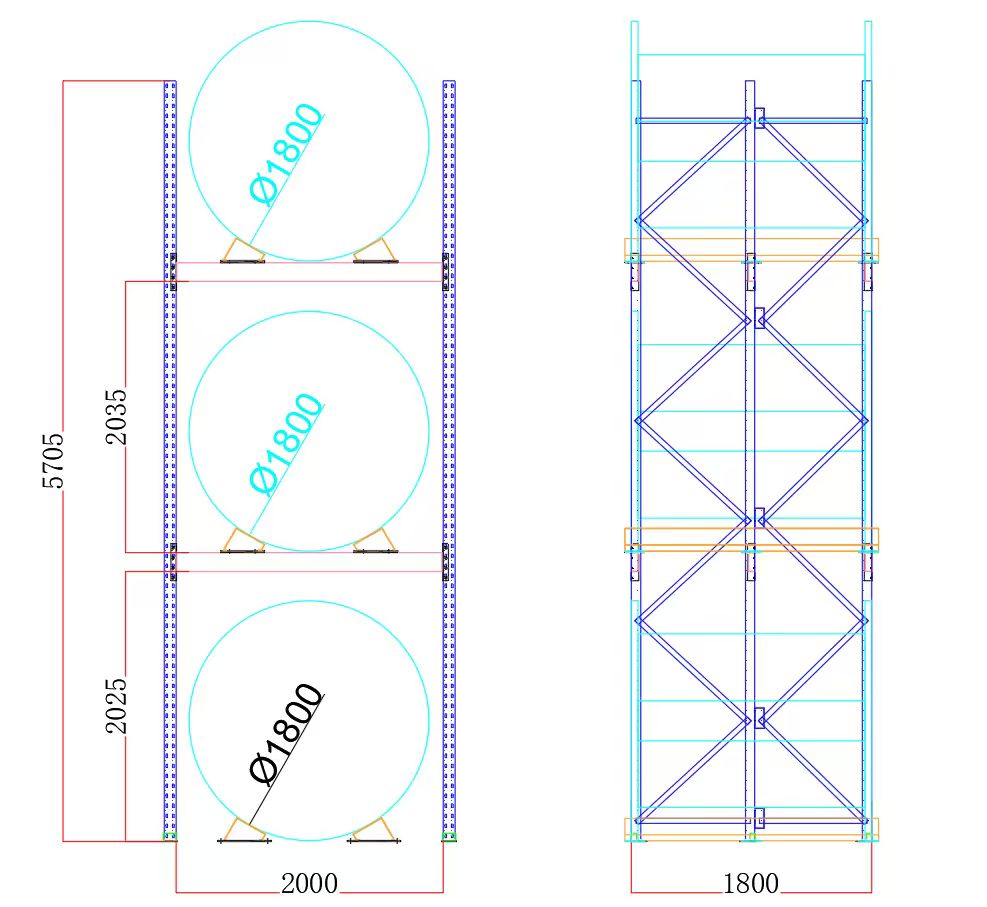
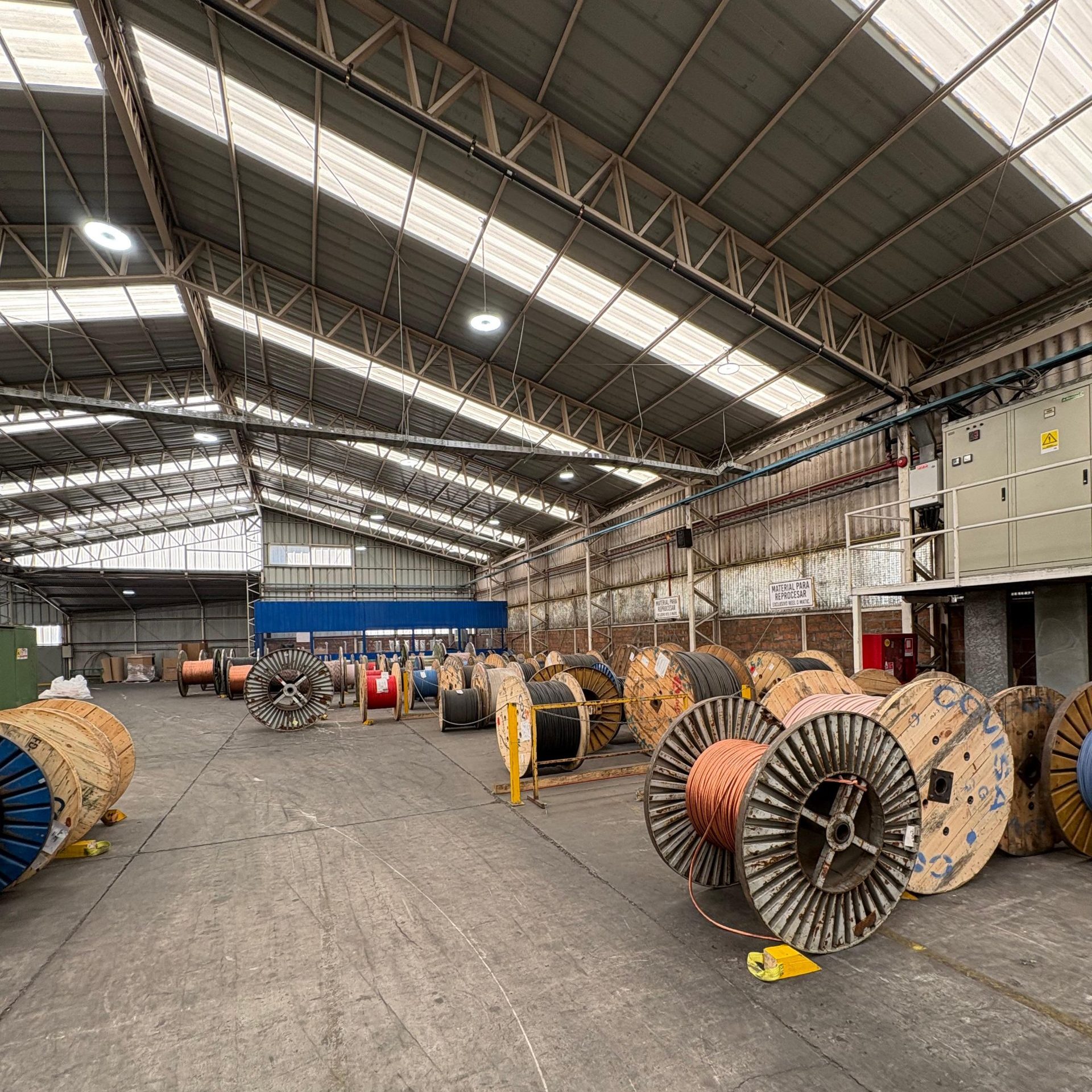
        Custom Cable Reel Rack Project for a Leading Cable Manufacturer in Chile

        Project Overview

        Omni-Racking recently completed a custom-designed Cable Reel Rack System for a leading cable manufacturing company in Chile, South America.

        The customer required a heavy-duty storage solution capable of safely storing large cable reels while maximizing warehouse space utilization and ensuring long-term operational reliability.

        After a detailed analysis of the reel dimensions, load requirements, and warehouse layout, our engineering team developed a customized beam rack system specifically designed for heavy cable drum storage.

        Custom heavy duty cable reel rack system for cable drum storage project in Chile

        Customer Requirements

        As a major cable manufacturer, the client stores a wide range of cable reels used for power transmission, telecommunications, and industrial applications.

        The key challenges included:

        • Storing heavy cable reels safely
        • Improving warehouse organization
        • Maximizing storage density
        • Ensuring easy loading and unloading operations
        • Accommodating different reel diameters
        • Providing a durable long-term storage solution

        Since cable reels are significantly heavier than standard palletized products, the rack structure needed to withstand concentrated loads over extended periods without deformation.


        Initial Design Concept: Adjustable Pad Beam System

        During the early design stage, Omni-Racking proposed an adjustable pad beam solution.

        The support pad beams were designed to be mounted on the pallet rack beams using sliding bolt connections.

        This design offered several advantages:

        • Flexible adjustment of support positions
        • Adaptability to different cable reel diameters
        • Future compatibility with changing product specifications
        • Simplified warehouse management

        The adjustable system would allow the customer to modify the spacing between support pads according to various reel sizes.

        For manufacturers handling multiple reel dimensions, this configuration often provides excellent operational flexibility.

        Custom heavy duty cable reel rack system for cable drum storage project in Chile
        Custom heavy duty cable reel rack system for cable drum storage project in Chile

        Engineering Optimization Based on Real Operating Conditions

        After further technical discussions with the customer, additional operational data became available.

        We discovered that:

        • Individual cable reels carried substantial weight
        • Reel dimensions remained relatively consistent
        • Long-term structural durability was a higher priority than adjustment flexibility

        Based on these findings, our engineering team recommended a revised design focused on maximum strength and reliability.


        Final Solution: Heavy-Duty Bolted Pad Beam Design

        The final rack system adopted a fixed bolted pad beam configuration.

        Instead of adjustable sliding connections, each support pad was securely fastened to the beam structure using heavy-duty bolted connections.

        This optimized design provides:

        Superior Load Capacity

        The bolted structure minimizes movement under heavy loads and improves overall rack stability.

        Enhanced Structural Integrity

        Multiple internal reinforcement stiffeners were added inside each pad beam to distribute concentrated reel loads more effectively.

        Long-Term Durability

        The reinforced support structure significantly reduces stress concentration and improves service life under continuous heavy-duty operation.

        Safer Cable Reel Storage

        The fixed support positions ensure consistent reel placement and reduce the risk of movement during handling operations.


        Project Results

        The completed installation now provides the customer with a highly organized and durable storage solution for cable reels.

        Key benefits achieved include:

        • Increased warehouse storage capacity
        • Improved inventory organization
        • Enhanced operational safety
        • Reliable heavy-load performance
        • Reduced maintenance requirements
        • Long-term structural stability

        The customized design demonstrates Omni-Racking’s ability to engineer storage systems that are tailored to real-world operational requirements rather than relying on standard off-the-shelf solutions.


        Why Custom Cable Reel Racking Matters

        Cable manufacturers often face unique storage challenges due to the weight, diameter, and handling requirements of cable reels.

        A properly engineered Cable Reel Rack System can help companies:

        • Improve warehouse efficiency
        • Protect valuable cable inventory
        • Increase storage density
        • Simplify reel handling
        • Extend rack service life

        At Omni-Racking, every project begins with a detailed analysis of customer operations to ensure the final solution delivers the optimal balance between flexibility, safety, and durability.


        Looking for a Custom Cable Reel Storage Solution?

        Whether you need a Cable Reel Rack, Cable Drum Storage Rack, or a complete Warehouse Storage System, Omni-Racking can provide customized solutions designed around your specific operational requirements.

        Contact our engineering team today for a free warehouse storage consultation and rack layout design.

        Key words:

        • Cable Reel Rack
        • Cable Reel Storage Rack
        • Cable Drum Rack
        • Cable Drum Storage System

        Secondary keywords:

        • Heavy Duty Cable Reel Rack
        • Cable Manufacturer Storage Solution
        • Custom Pallet Racking
        • Industrial Storage Rack
        • Warehouse Storage System
        • Cable Reel Warehouse Storage
        • Chile Cable Reel Rack Project

          • 6 月, 周三, 2026

          Cantilever Racking Applications in Pipe and Sheet Material Manufacturing Industries

          Why Cantilever Racking Is the Ideal Storage Solution for Pipe and Sheet Material Manufacturers

          In the pipe, tube, steel, aluminum, and sheet material manufacturing industries, efficient storage management is essential for maintaining productivity, workplace safety, and operational efficiency. Long, bulky, and irregularly shaped materials present unique storage challenges that traditional pallet racking systems often cannot address effectively.

          This is where cantilever racking systems have become one of the most popular warehouse storage solutions. Designed specifically for storing long and oversized materials, cantilever racks offer manufacturers a practical, flexible, and space-efficient way to organize inventory.

          What Is Cantilever Racking?

          Cantilever racking is a storage system consisting of vertical columns and horizontal arms extending outward without front uprights. This open-front design allows easy loading and unloading of long materials using forklifts, side loaders, or overhead cranes.

          Unlike conventional pallet racks, cantilever racks provide unobstructed access to stored goods, making them ideal for handling:

          • Steel pipes and tubes
          • Aluminum profiles
          • PVC pipes
          • Structural steel sections
          • Timber and lumber
          • Sheet metal panels
          • Steel plates
          • Plastic boards
          • Composite materials

          Storage Challenges in Pipe and Tube Manufacturing Facilities

          Pipe and tube manufacturers typically manage inventory in various lengths, diameters, and material specifications. Storing these products improperly can lead to:

          • Material damage
          • Difficult inventory control
          • Workplace accidents
          • Reduced warehouse efficiency
          • Increased handling time

          Traditional floor stacking often wastes valuable warehouse space and creates safety hazards. Cantilever racking systems solve these issues by organizing materials horizontally while maximizing vertical storage capacity.

          Benefits for Pipe and Tube Storage

          1. Improved Material Accessibility

          Workers can quickly identify and access specific pipe sizes without moving multiple bundles. This significantly reduces picking time and improves operational efficiency.

          2. Enhanced Safety

          Properly designed cantilever racks prevent rolling, shifting, and collapsing materials, creating a safer warehouse environment.

          3. Better Space Utilization

          By utilizing vertical storage space, manufacturers can increase storage density while maintaining organized inventory management.

          4. Flexibility for Different Pipe Lengths

          Adjustable cantilever arms accommodate pipes and tubes of varying lengths and weights, making the system highly adaptable to changing inventory requirements.

          Cantilever Racking for Sheet Metal and Plate Storage

          Sheet metal manufacturers face different storage challenges. Steel sheets, aluminum plates, and metal panels are often large, heavy, and susceptible to scratches or deformation.

          Cantilever racking provides a structured solution for storing these materials while minimizing handling damage.

          Advantages for Sheet Material Storage

          Easy Loading and Unloading

          Forklifts and lifting equipment can access materials directly from the front of the rack without obstruction.

          Reduced Product Damage

          Proper support along the length of sheets and plates helps prevent bending, warping, and surface damage.

          Faster Inventory Management

          Clearly organized storage locations improve stock visibility and simplify warehouse operations.

          Scalable Storage Capacity

          As production increases, additional cantilever rack bays can be added without major warehouse redesigns.

          How Cantilever Racking Improves Manufacturing Efficiency

          Modern manufacturing facilities increasingly focus on lean production and optimized material flow. Cantilever racking contributes to these goals by:

          • Reducing material handling time
          • Improving warehouse organization
          • Supporting FIFO inventory management
          • Lowering labor costs
          • Increasing storage capacity
          • Enhancing workplace safety
          • Streamlining production workflows

          When integrated with warehouse management systems (WMS), cantilever racking can further improve inventory accuracy and operational visibility.

          Single-Sided vs. Double-Sided Cantilever Racks

          Manufacturers can choose between two primary cantilever rack configurations:

          Single-Sided Cantilever Racks

          Installed against walls, these racks maximize perimeter storage while maintaining open floor space.

          Best for:

          • Narrow warehouses
          • Limited storage areas
          • Secondary inventory storage

          Double-Sided Cantilever Racks

          Accessible from both sides, these racks are typically placed in warehouse aisles.

          Best for:

          • High-volume storage
          • Large manufacturing facilities
          • Fast-moving inventory

          Selecting the Right Cantilever Racking System

          When choosing a cantilever rack for pipe or sheet material storage, manufacturers should consider:

          Load Capacity

          Ensure the system can safely support the weight of stored materials.

          Material Dimensions

          Rack arm length and spacing should match product dimensions.

          Warehouse Layout

          Evaluate aisle width, forklift access, and ceiling height.

          Future Expansion

          Choose a modular system that can grow with production demands.

          Environmental Conditions

          Galvanized or powder-coated finishes may be required for outdoor storage or corrosive environments.

          Industry Applications

          Cantilever racking is widely used in:

          • Steel manufacturing plants
          • Tube and pipe production facilities
          • Metal service centers
          • Aluminum extrusion factories
          • Building material suppliers
          • Sheet metal fabrication workshops
          • Construction material warehouses
          • Industrial distribution centers

          Conclusion

          For pipe, tube, and sheet material manufacturers, cantilever racking offers an efficient and reliable storage solution that improves safety, maximizes warehouse space, and enhances operational productivity.

          As manufacturing operations continue to seek higher efficiency and better inventory management, cantilever rack systems remain one of the most effective storage investments for handling long, heavy, and oversized materials.

          Whether storing steel pipes, aluminum profiles, sheet metal, or industrial panels, a properly designed cantilever racking system can significantly improve warehouse performance while supporting future business growth.

          Key words:

          • cantilever racking
          • cantilever rack system
          • pipe storage rack
          • tube storage solution
          • steel pipe storage
          • sheet metal storage rack
          • industrial cantilever racking
          • warehouse racking system
          • steel plate storage
          • long material storage solutions
          • manufacturing warehouse storage
          • cantilever racks for metal industry
          • heavy duty cantilever racking
          • structural cantilever rack
          • industrial storage systems

          • 5 月, 周五, 2026

          Radio Shuttle Racking System for Cold Storage Warehouse

          What Is a Radio Shuttle Racking System?

          A Radio Shuttle Racking System is a high-density semi-automated storage solution designed to maximize warehouse space utilization and improve pallet handling efficiency. Instead of forklifts entering the racking lanes, a battery-powered shuttle automatically moves pallets within the rack system.

          The operator simply places the pallet at the entrance of the lane, and the radio shuttle transports it to the designated storage position. This reduces forklift travel time, minimizes rack damage, and increases warehouse productivity.

          Radio shuttle systems are widely used in industries such as:

          • Cold storage & frozen food
          • Beverage & dairy
          • Logistics & distribution centers
          • Pharmaceutical warehouses
          • FMCG industries

          Why Radio Shuttle Racking Is Ideal for Cold Storage Warehouses

          Cold storage warehouses face unique operational challenges, including limited space, high energy consumption, and harsh low-temperature environments. Radio shuttle racking systems are especially suitable for cold storage because they offer:

          1. Maximum Space Utilization

          Cold storage construction and operating costs are extremely high. Radio shuttle systems can achieve up to 80–90% storage density by reducing aisle requirements.

          More pallet positions in the same warehouse footprint means lower cost per pallet stored.

          2. Reduced Forklift Operation Time

          Traditional forklifts entering freezing environments continuously can lead to:

          • Increased energy loss
          • Slower operations
          • Safety risks
          • Higher maintenance costs

          With radio shuttle systems, forklifts stay outside the storage lanes while the shuttle handles pallet movement automatically.

          3. Faster Inbound and Outbound Operations

          The automated shuttle significantly improves pallet handling efficiency, making it ideal for high-throughput cold chain logistics.

          4. Improved Safety

          Because forklifts do not enter the racking lanes, the risk of rack collision and product damage is greatly reduced.

          5. Better Performance in Low Temperatures

          Modern radio shuttles are designed to operate in cold environments as low as -25°C or even lower, making them reliable for frozen warehouses.


          Maximum Storage Density

          One of the biggest advantages of a radio shuttle racking system is its extremely high storage density.

          Compared with conventional selective pallet racking, radio shuttle systems can increase storage capacity by 30–60%.

          Key Features That Improve Density

          • Deep lane storage
          • Fewer forklift aisles
          • Compact rack configuration
          • High vertical space utilization

          For businesses operating expensive cold storage facilities, maximizing cubic storage space directly improves ROI.


          FIFO and LIFO Storage Modes

          Radio shuttle racking systems support both FIFO and LIFO inventory management methods.

          FIFO (First In, First Out)

          FIFO is commonly used for:

          • Food
          • Dairy products
          • Pharmaceuticals
          • Perishable goods

          In FIFO mode, pallets are loaded from one side and retrieved from the opposite side.

          LIFO (Last In, First Out)

          LIFO is suitable for:

          • Non-perishable goods
          • Bulk storage
          • Buffer inventory

          In this mode, loading and unloading occur from the same side.

          The flexibility of supporting both FIFO and LIFO makes radio shuttle systems adaptable to different warehouse requirements.


          Radio Shuttle Racking vs Drive-In Racking

          Many warehouse operators compare radio shuttle racking with traditional drive-in racking systems. While both provide high-density storage, radio shuttle technology offers significant operational advantages.

          FeatureRadio Shuttle RackingDrive-In Racking
          Storage DensityVery HighHigh
          Forklift Entry into LaneNoYes
          Operating SpeedFastModerate
          Rack Damage RiskLowHigh
          Labor EfficiencyHighLower
          Warehouse SafetyBetterLower
          Automation LevelSemi-AutomaticManual
          Cold Storage SuitabilityExcellentGood

          Drive-in systems require forklifts to enter deep storage lanes, increasing collision risks and reducing operational efficiency. Radio shuttle systems eliminate this issue through automated pallet movement.


          Cost Analysis of Radio Shuttle Racking Systems

          The initial investment for a radio shuttle racking system is generally higher than traditional racking systems. However, the long-term operational savings are substantial.

          Initial Costs Include

          • Racking structure
          • Radio shuttle carts
          • Charging stations
          • Remote control system
          • Installation

          Long-Term Savings

          • Lower labor costs
          • Reduced rack maintenance
          • Faster operations
          • Improved storage capacity
          • Lower energy consumption in cold storage

          For large cold storage warehouses, the ROI period is often relatively short due to improved efficiency and reduced operating expenses.


          Typical Applications and Case Studies

          Frozen Food Warehouse

          A frozen food distributor implemented a radio shuttle racking system in a -20°C warehouse and increased storage capacity by 40% while reducing forklift travel time by 50%.

          Beverage Distribution Center

          A beverage company adopted FIFO radio shuttle storage to improve inventory turnover and speed up outbound operations during peak seasons.

          Third-Party Logistics (3PL)

          A logistics provider used shuttle racking to handle high-volume pallet storage efficiently while minimizing labor requirements.


          Technical Specifications

          Load Capacity

          Most radio shuttle systems support pallet loads ranging from:

          • 500 kg to 1,500 kg
          • Heavy-duty models can exceed 2,000 kg

          The actual load capacity depends on pallet dimensions and rack design.

          Shuttle Speed

          Typical shuttle speed:

          • Empty shuttle speed: up to 1.5 m/s
          • Full-load speed: around 0.8–1.0 m/s

          High-speed shuttle movement improves warehouse throughput significantly.

          Battery Runtime

          Modern lithium battery systems usually provide:

          • 6–10 hours continuous operation
          • Fast charging capability
          • Optional spare battery replacement

          Battery performance remains stable even in low-temperature environments.


          Warehouse Layout Considerations

          An efficient warehouse layout is essential when implementing a radio shuttle racking system.

          Important Factors Include

          • Pallet dimensions
          • Warehouse height
          • Forklift type
          • Number of SKUs
          • Inventory turnover rate
          • FIFO or LIFO requirement
          • Cold room temperature

          A professional warehouse design can maximize storage efficiency while maintaining smooth operational flow.


          Frequently Asked Questions (FAQ)

          Is radio shuttle racking fully automated?

          No. Standard radio shuttle systems are semi-automated. Forklifts place pallets at lane entrances while the shuttle moves pallets inside the rack.

          Can radio shuttle systems operate in freezing temperatures?

          Yes. They are specifically designed for cold storage and freezer warehouse applications.

          What industries commonly use radio shuttle systems?

          Food, beverage, pharmaceutical, logistics, dairy, and frozen product industries commonly use them.

          How many pallets can one shuttle handle?

          One shuttle can continuously move hundreds of pallets per shift depending on operational intensity and battery capacity.

          Is radio shuttle racking suitable for existing warehouses?

          Yes. Many existing warehouses can be upgraded with shuttle racking systems after proper layout evaluation.


          Conclusion

          Radio shuttle racking systems have become one of the most efficient storage solutions for cold storage warehouses. By combining high-density storage, operational efficiency, improved safety, and reduced energy loss, they help businesses optimize warehouse performance and lower long-term costs.

          For companies seeking modern cold storage automation solutions, radio shuttle racking offers a highly competitive advantage in today’s fast-moving logistics and supply chain industry.

          • 5 月, 周二, 2026

          A Real Mezzanine Floor Project Case: Why Static Load Calculation Is Not Always Enough in Warehouse Mezzanine Design

          When designing a steel mezzanine floor, many engineers focus heavily on one key factor: load-bearing calculation.

          But in real warehouse operations, structural performance is not determined by static calculations alone.

          A recent project reminded us that actual usage conditions, forklift traffic patterns, floor decking direction, and dynamic concentrated loads can create challenges that theoretical calculations may not fully reveal.

          This is a real warehouse mezzanine floor project case study we would like to share with industry professionals.

          Read more
          • 5 月, 周一, 2026

          Steel Mezzanine Floor Solutions for Warehouses in North America & Latin America

          Meta Description

          Looking for custom steel mezzanine floor solutions for warehouses? We design and manufacture industrial mezzanine platforms for projects across the USA, Canada, Mexico, Chile, Panama, Brazil and Latin America. Maximize warehouse space with engineered steel mezzanine floors.

          Industrial warehouses and distribution centers are constantly facing the same challenge: limited floor space and increasing storage demand. Instead of expanding buildings or relocating to larger facilities, many companies in North America and Latin America are choosing a more efficient solution — steel mezzanine floors. These engineered warehouse platforms create additional usable space within existing buildings by utilizing vertical height, helping businesses improve storage density, workflow, and operational efficiency.

          What Is a Steel Mezzanine Floor?

          A steel mezzanine floor is an elevated structural platform installed inside a warehouse, factory, distribution center, or industrial building. It creates one or multiple additional levels above the existing floor without requiring costly building expansion.

          Also known as:

          • warehouse mezzanine floor
          • industrial mezzanine platform
          • steel work platform
          • structural mezzanine system

          A custom mezzanine floor can be designed for:

          • pallet storage
          • order picking areas
          • packing stations
          • production workspaces
          • warehouse offices
          • equipment platforms
          • multi-level storage systems

          By using vertical space, a warehouse mezzanine can significantly increase usable floor area while improving operational layout and productivity.

          Why More Warehouses Are Installing Mezzanine Floors

          In markets such as the United States, Canada, Mexico, Brazil, Chile, and Panama, industrial space costs continue to rise, making warehouse expansion expensive and time-consuming.

          A steel mezzanine floor offers several advantages:

          1. Maximize Existing Warehouse Space

          Instead of moving to a larger building, a mezzanine platform helps companies create additional floor space inside the current facility.

          Benefits include:

          • 2x or even 3x usable storage area
          • better cube utilization
          • reduced warehouse congestion
          • improved inventory organization

          2. Lower Cost Than Building Expansion

          Compared with constructing a new warehouse extension, a custom steel mezzanine floor is often a more cost-effective investment.

          Businesses can:

          • avoid relocation costs
          • reduce downtime
          • shorten installation time
          • improve ROI faster

          3. Flexible Custom Design

          Every warehouse has different requirements. Mezzanine floor systems can be designed based on:

          • building clear height
          • load capacity
          • pallet rack integration
          • forklift operation
          • conveyor systems
          • fire safety requirements
          • future expansion plans

          Custom steel mezzanines can also be designed as single-level or multi-level platforms depending on project needs.

          Key Features of Industrial Steel Mezzanine Floors

          A professionally engineered warehouse mezzanine floor typically includes:

          • structural steel columns
          • primary and secondary beams
          • steel decking or grating floor
          • staircases
          • guardrails
          • pallet gates
          • loading zones
          • safety protection systems

          Optional accessories may include:

          • vertical lifts
          • conveyor integration
          • shelving or racking support
          • mesh partition systems
          • lighting and utility integration

          Load capacities can be customized depending on application requirements, from light-duty storage to heavy industrial use.

          Mezzanine Floor Applications

          Our custom mezzanine floor systems are widely used in:

          Warehouse & Distribution Centers

          • e-commerce fulfillment
          • order picking zones
          • packing and sorting areas
          • pallet storage expansion

          Manufacturing Facilities

          • assembly platforms
          • equipment access platforms
          • maintenance walkways
          • spare parts storage

          Cold Storage & Food Logistics

          • overhead storage
          • operational segregation
          • process support platforms

          Industrial Commercial Buildings

          • office mezzanines
          • equipment support floors
          • technical service platforms

          A properly designed mezzanine floor system can improve both storage capacity and workflow efficiency in industrial environments.

          Mezzanine Floor Projects Across North America and Latin America

          As an experienced mezzanine floor manufacturer and supplier, we have completed real warehouse platform projects in multiple countries across North America and Latin America, including:

          • United States
          • Canada
          • Mexico
          • Chile
          • Panama
          • Brazil

          Our engineering team understands that different markets have different project requirements, including:

          • load calculations
          • seismic requirements
          • local code compliance
          • warehouse operational design
          • export packing and shipping solutions

          These international project experiences help us provide customized mezzanine floor solutions for warehouses in diverse industrial environments.

          Why Choose a Custom Steel Mezzanine Floor Instead of Standard Systems?

          Many warehouses require more than a standard prefabricated platform.

          A custom mezzanine floor provides:

          • optimized column layout
          • better span design
          • specific load capacity engineering
          • compatibility with existing racks
          • integration with automation systems
          • future scalability

          This makes custom steel mezzanine platforms ideal for growing warehouses and industrial operations.

          Looking for a Mezzanine Floor Manufacturer for Your Warehouse Project?

          If you are planning to increase warehouse space in the USA, Canada, Mexico, Brazil, Chile, Panama, or other North American and Latin American countries, a custom steel mezzanine floor can be an efficient and cost-effective solution.

          We provide:

          • custom mezzanine floor design
          • structural engineering support
          • steel fabrication
          • export project delivery
          • installation guidance
          • warehouse space optimization solutions

          Contact us today to discuss your warehouse mezzanine floor project and receive a customized solution.

          Cases:

          custom steel mezzanine floor in USA

          steel mezzanine floor in warehouse

          warehouse mezzanine floor project in Canada

          industrial mezzanine platform in Chile

            • 5 月, 周四, 2026

            Pallet Racking Supplier China: Your Ultimate Guide to Warehouse Racking Systems

            Introduction

            In today’s fast-paced logistics and manufacturing industries, efficient warehouse storage is the backbone of operational success. A reliable pallet racking supplier China can transform your warehouse space, boost productivity, and reduce costs. As a leading pallet racking supplier China, we specialize in designing, manufacturing, and delivering high-quality warehouse racking system solutions tailored to global business needs.

            China has emerged as a global hub for pallet racking manufacturing, offering unmatched quality, competitive pricing, and innovative designs. Choosing the right pallet racking supplier China ensures you get durable, compliant, and cost-effective storage solutions that align with your warehouse goals. This guide explores everything you need to know about pallet racking, from components and applications to FAQs and why partnering with a pallet racking supplier China is a smart choice.

            What is Pallet Racking?

            Pallet racking is a modular steel storage system designed to store palletized goods vertically. A core warehouse racking system, it maximizes vertical space, improves inventory organization, and enables efficient loading/unloading with forklifts. As a trusted pallet racking supplier in China, we engineer pallet racking systems to meet international safety standards (ISO 9001, CE, SGS) and diverse load capacities.

            Key Components of Pallet Racking

            Understanding pallet racking components is essential for selecting the right warehouse racking system. A professional pallet racking supplier provides high-quality, precision-manufactured parts:

            1. Upright Frames

            The vertical backbone of the system, supporting horizontal beams and loads. Made from heavy-duty steel, uprights have pre-punched holes for adjustable beam heights. As a top pallet racking supplier in China, we offer uprights in various gauges and heights (up to 30+ meters) for light, medium, and heavy-duty applications.

            2.Load Beams (Step/Box Beams)

            Horizontal supports that hold pallets. Beams connect to uprights via safety clips or bolts, with load capacities ranging from 500kg to 5,000kg per level. Our pallet racking uses high-strength steel for beams, ensuring durability and load stability.

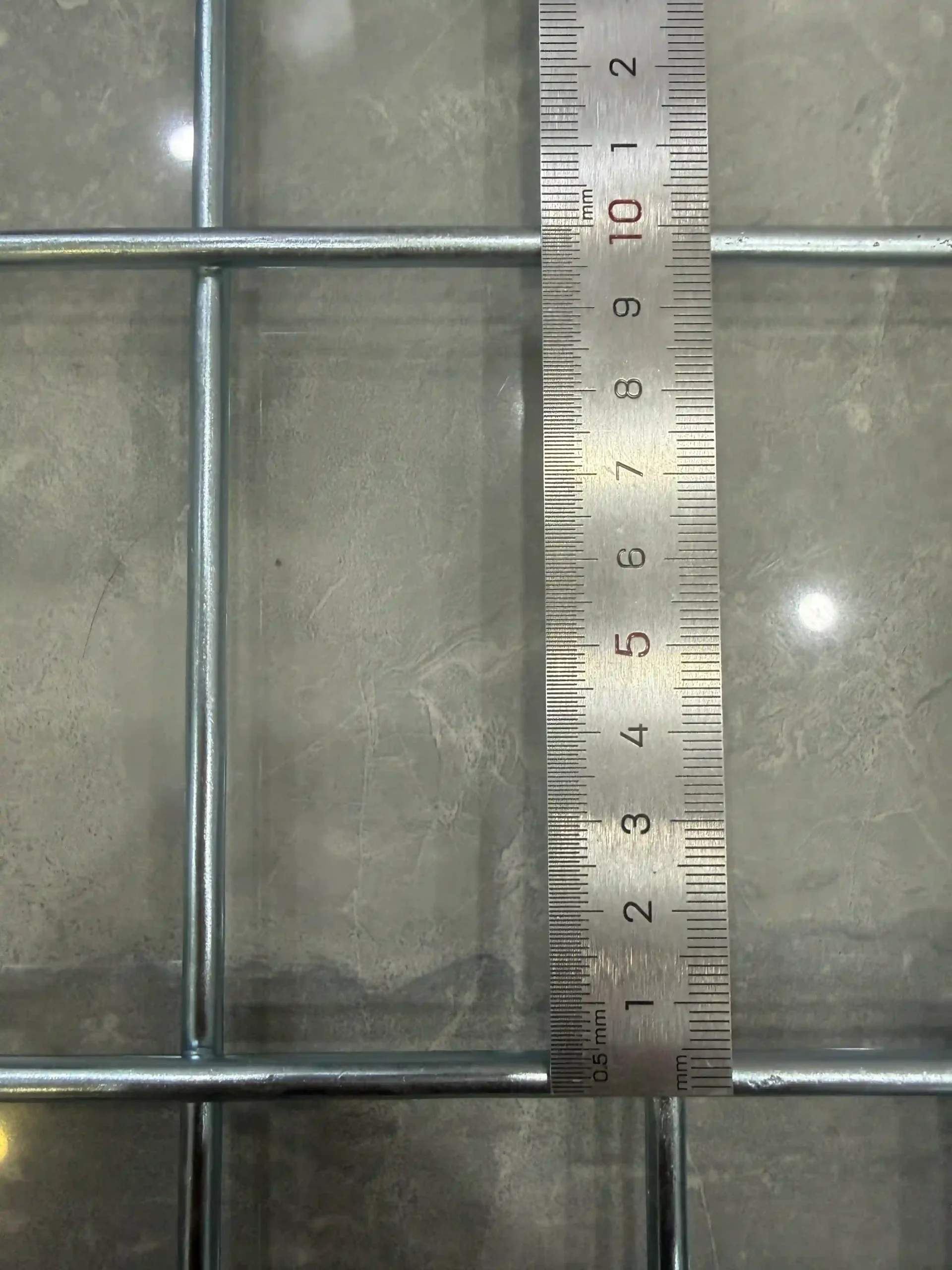
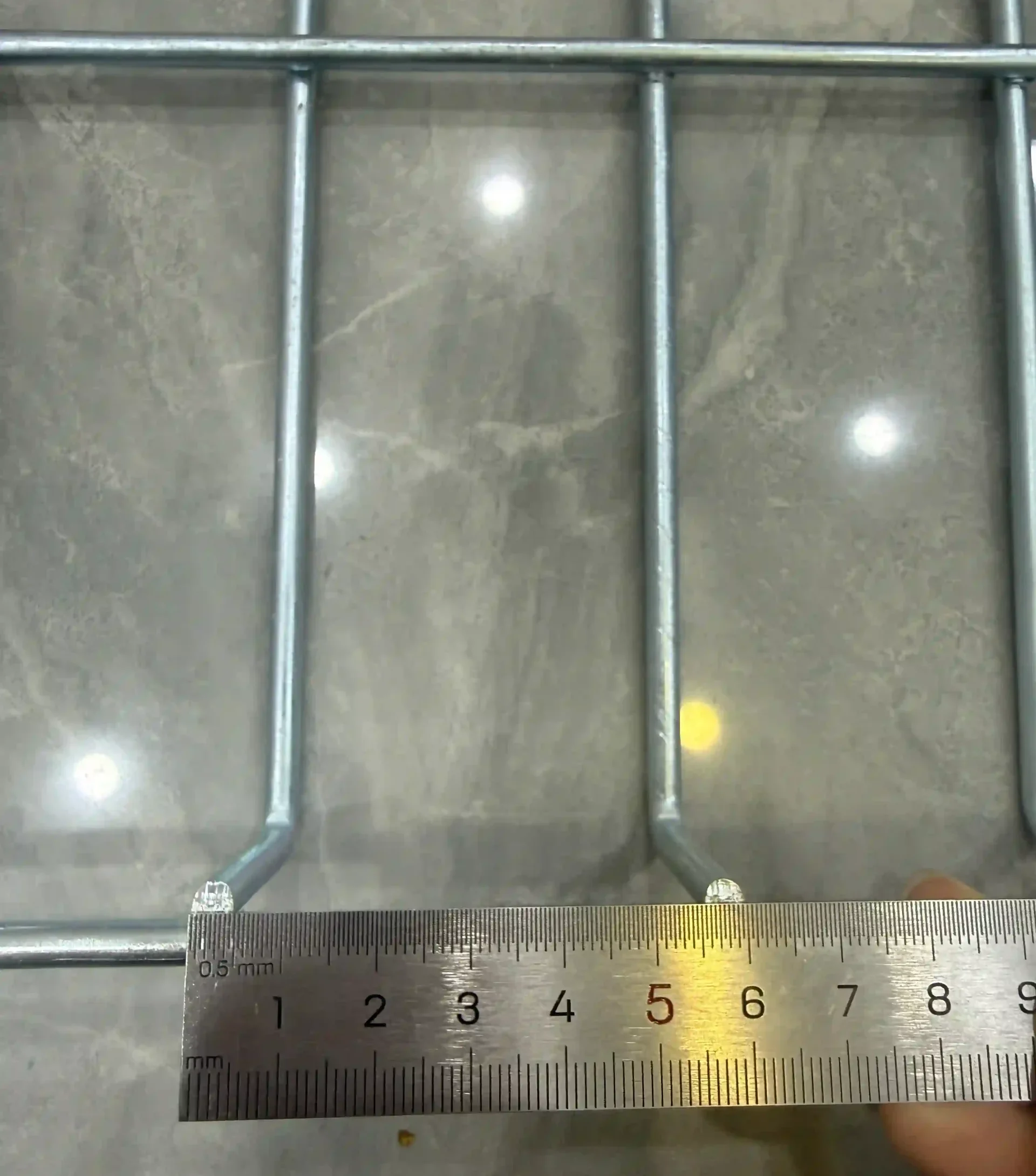
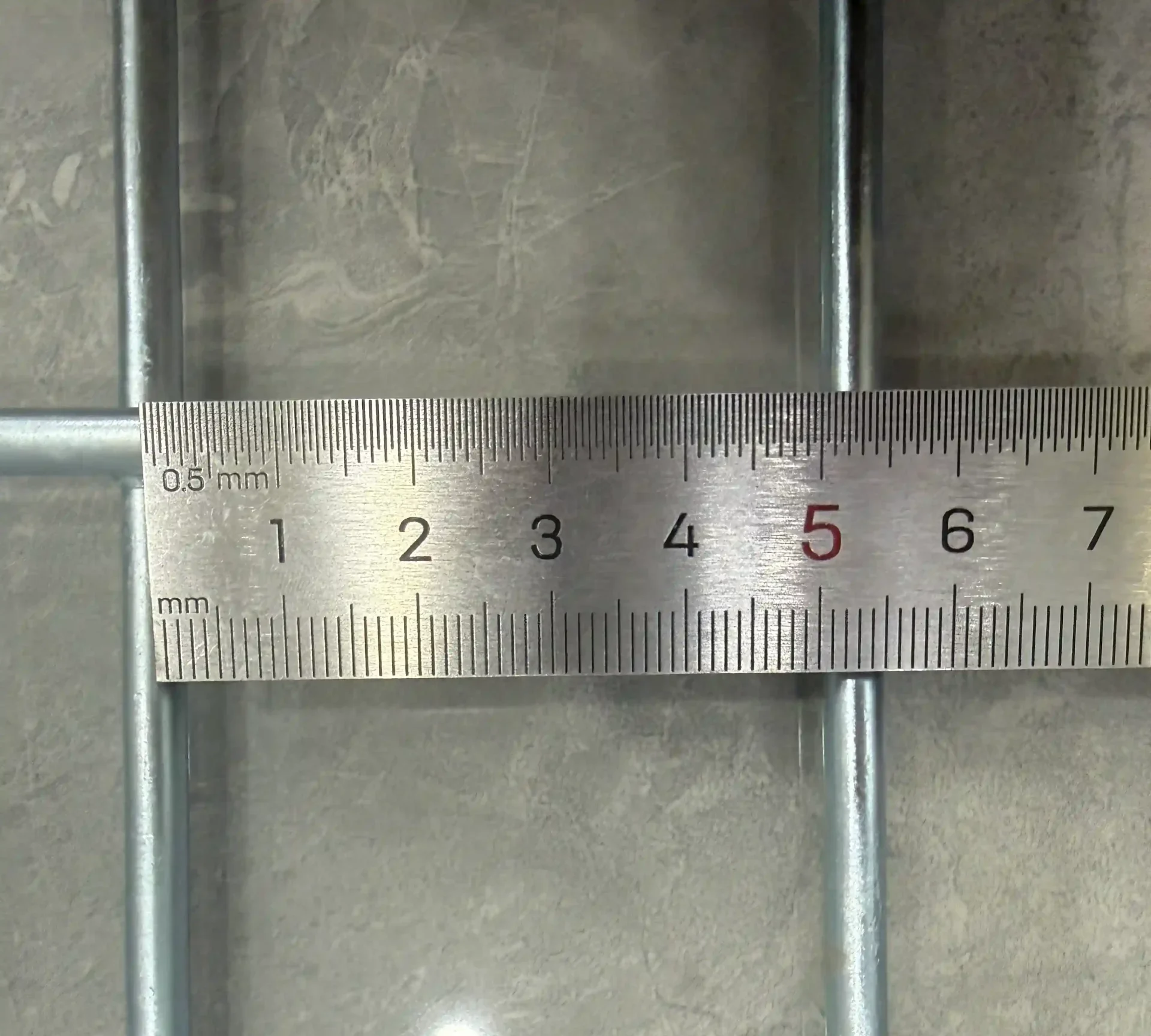
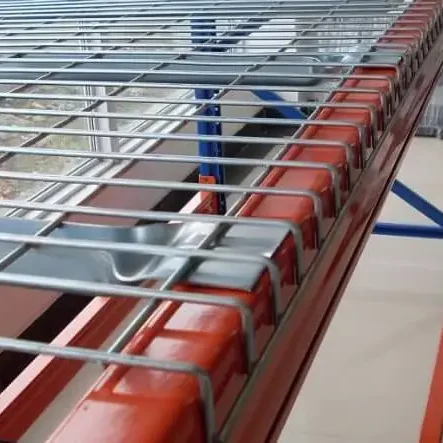
            3. Decking Panels

            Metal or wire mesh panels placed on beams to support pallets or loose items. They prevent small goods from falling and enhance safety. As a reliable pallet racking supplier in China, we provide decking options with reinforced support (e.g., two metal square tube ribs per panel) for extra strength.

            4. Safety Accessories

            Critical for warehouse safety: column protectors, rack guards, safety clips, and fire-resistant coatings. A responsible pallet racking supplier in China includes these accessories to comply with global safety regulations.

            Why Choose a Pallet Racking Supplier in China?

            Partnering with a pallet racking supplier China offers unique advantages for global businesses:

            Cost-Effective Quality

            Chinese manufacturers leverage advanced production lines, economies of scale, and skilled labor to deliver high-quality pallet racking at 30–50% lower prices than Western suppliers. As a leading pallet racking supplier China, we maintain strict quality control (100% pre-shipment inspection) while offering competitive pricing.

            Customization Expertise

            Every warehouse has unique needs. A professional pallet racking supplier China provides tailored warehouse racking system designs—adjustable heights, custom load capacities, specialized layouts (narrow aisle, drive-in, etc.)—to fit your space and inventory.

            Full-Service Support

            From design and manufacturing to installation guidance and after-sales service, a reliable pallet racking supplier China offers end-to-end support. Our team provides 24/7 technical assistance, ensuring your warehouse racking system operates efficiently long after installation.

            Global Compliance & Certification

            Top pallet racking supplier China products meet international standards: ISO 9001 (quality), CE (European safety), SGS (material testing), and AS4084 (Australian safety). This ensures your warehouse racking system is safe and compliant for global operations.

            Types of Warehouse Racking Systems from Pallet Racking Supplier China

            A versatile pallet racking supplier China offers a range of warehouse racking system types to suit different storage needs:

            1. Selective Pallet Racking

            The most common warehouse racking system, ideal for warehouses with high SKU variety and moderate turnover. It provides direct access to every pallet, compatible with standard forklifts. As a top pallet racking supplier China, we design selective racking for easy installation and adjustment.

            2. Drive-In/Drive-Through Racking

            A high-density warehouse racking system for bulk storage of homogeneous products. Forklifts drive directly into the rack; drive-in uses LIFO (Last-In, First-Out), drive-through uses FIFO (First-In, First-Out). Perfect for cold storage and food/beverage warehouses. Our pallet racking supplier China builds robust drive-in systems for heavy loads.

            3. Push-Back Racking

            A semi-dense warehouse racking system with inclined rails and nested carts. Pallets are pushed back during loading and roll forward for picking (LIFO). Balances density and accessibility, ideal for medium-turnover products. As a trusted pallet racking supplier China, we engineer push-back systems for smooth operation.

            4. Pallet Flow Racking

            A gravity-fed warehouse racking system with rollers. Pallets flow from the loading end to the picking end (FIFO), ensuring automatic stock rotation. Ideal for perishable goods (food, pharmaceuticals) and high-volume distribution. Our pallet racking supplier China designs flow racking for efficiency and low maintenance.

            5. Cantilever Racking

            Specialized warehouse racking system for long, bulky items (pipes, lumber, steel bars). Features horizontal arms extending from uprights, no front beams. As a leading pallet racking supplier China, we provide heavy-duty cantilever racking for industrial use.

            Applications of Pallet Racking Systems

            A warehouse racking system from a pallet racking supplier China serves diverse industries:

            1. Retail & E-CommerceDistribution centers require high accessibility for fast-moving consumer goods. Selective pallet racking from our pallet racking supplier China optimizes space and speeds up order fulfillment.
            2. Food & BeveragePerishable goods need FIFO systems (pallet flow) or bulk storage (drive-in). Our warehouse racking system designs comply with food safety standards, ideal for cold storage and beverage warehouses.
            3. ManufacturingFactories store raw materials, components, and finished goods. Heavy-duty pallet racking from our pallet racking supplier China supports heavy loads, while cantilever racking handles long materials.
            4. Cold StorageLow-temperature environments demand durable, corrosion-resistant racking. Our pallet racking supplier China uses galvanized steel and specialized coatings for cold storage warehouse racking system solutions.
            5. AutomotiveWarehouses store parts, tires, and components. Selective and medium-duty racking from our pallet racking supplier China organizes inventory for easy access.

            Frequently Asked Questions (FAQs) About Pallet Racking

            Q1: What is the load capacity of pallet racking from a pallet racking supplier China?

            A: Load capacities vary by type: light-duty (500–1,000kg/level), medium-duty (1,000–2,500kg/level), heavy-duty (2,500–5,000kg/level). As a top pallet racking supplier China, we customize load capacities to your needs.

            Q2: How long does it take to manufacture and deliver a warehouse racking system from China?

            A: Lead times average 15–30 days for standard orders, 30–45 days for custom designs. Our pallet racking supplier China streamlines production and shipping to ensure on-time delivery worldwide.

            Q3: Is pallet racking from China compliant with international safety standards?

            A: Yes. Reputable pallet racking supplier China products meet ISO 9001, CE, SGS, and AS4084 standards. We provide full certification documentation for all warehouse racking system shipments.

            Q4: Can I customize the size and design of my pallet racking system?

            A: Absolutely. As a customer-centric pallet racking supplier China, we offer full customization: upright height, beam length, load capacity, color, and accessories. Our engineers design warehouse racking system layouts to maximize your space.

            Q5: What maintenance is required for pallet racking?

            A: Regular inspections (check for damage, loose bolts), cleaning, and avoiding overloading. Our pallet racking supplier China provides maintenance guidelines and replacement parts for long-term durability.

            Q6: Why should I choose a pallet racking supplier China over local suppliers?

            A: Pallet racking supplier China offers lower costs, wider customization, strict quality control, and global compliance. Local suppliers often have limited options and higher prices. Partnering with us ensures a high-quality warehouse racking system at a competitive price.

            How to Select the Right Pallet Racking Supplier China

            Choosing the right pallet racking supplier China is critical for your warehouse racking system investment:

            1. Verify Experience & ExpertiseLook for a pallet racking supplier China with 10+ years of experience in designing and manufacturing warehouse racking system solutions. Our team has 18+ years of industry experience, serving 30+ countries.
            2. Check Quality CertificationsEnsure the pallet racking supplier China holds ISO 9001, CE, SGS, or other relevant certifications. This guarantees your warehouse racking system meets international safety and quality standards.
            3. Evaluate Customization CapabilitiesA reliable pallet racking supplier China should offer tailored designs to fit your warehouse dimensions, load requirements, and inventory type. Avoid one-size-fits-all suppliers.
            4. Assess Production Capacity & Lead TimesChoose a pallet racking supplier China with advanced production lines to meet your order volume and delivery timeline. Our factory has automated lines for efficient, high-volume production.
            5. Review Customer Feedback & ReferencesCheck online reviews and ask for customer references. A trusted pallet racking supplier China will have positive feedback from global clients. We share case studies and testimonials upon request.

            Conclusion

            A high-quality warehouse racking system is essential for optimizing storage, improving efficiency, and reducing costs. As a leading pallet racking supplier China, we combine decades of experience, advanced manufacturing, strict quality control, and customer-centric service to deliver tailored pallet racking solutions for global businesses.

            Whether you need selective, drive-in, push-back, flow, or cantilever racking, our pallet racking supplier China team designs and builds warehouse racking system solutions that meet your unique needs. With competitive pricing, international compliance, and end-to-end support, partnering with us ensures a reliable, durable, and efficient storage system for your warehouse.

            Contact our pallet racking supplier China team today to discuss your warehouse racking system requirements and get a customized quote!

              WhatsApp Get Free Design Catalog
              WeChat